Orcasound
2026
Improving volunteer engagement through clarified mission and contribution pathways
Improving volunteer engagement through clarified mission and contribution pathways
I joined Orcasound as a Product Designer to improve their digital assets and drive increased engagement and retention. My work primarily focused on researching the current landing site and understanding how volunteers engage with and perceive the website. This is an ongoing project that will culminate in a full website redesign in the coming months.
Role
Product Designer
Team
5 Product Designers
1 Developer
Timeline
September 2024 – Present
Tool
Figma
Context
Orcasound uses bioacoustics to contribute to orca conservation
Orcasound uses bioacoustics to contribute to orca conservation
Orcasound is an open-source conservation platform based in the Pacific Northwest. Through a cooperative network of hydrophones throughout the Salish Sea, anyone can tune in through their live listening app to help monitor for whale activity.
Over the years, Orcasound has grown into more than a listening platform, supporting a growing ecosystem of tools and research initiatives spanning AI-powered bioacoustics, vessel noise research, and marine education, all built and maintained by volunteers, scientists, and developers.
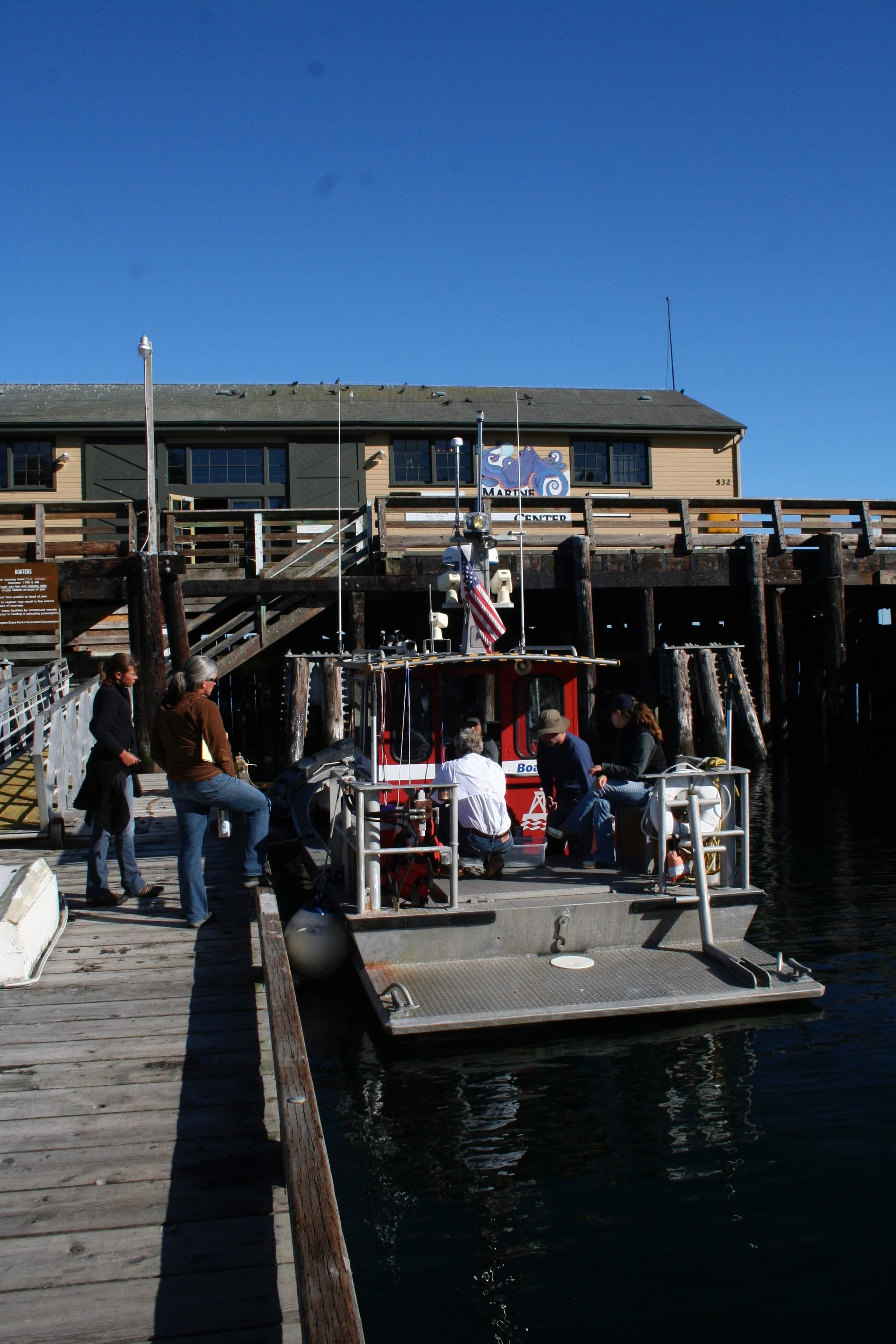
Volunteers maintaining Orcasound's Port Townsend hydrophone network
Volunteers and donors are vital pieces of Orcasounds ability to advance its mission of studying and protecting the Southern Resident killer whales of the Salish Sea. Despite a passionate community and a growing ecosystem of tools and initiatives, the homesite wasn't converting visitors into contributors.
Main problem:
Orcasound failed to retain and connect volunteers to the right work 9 out of 10 times.
Problem
Low volunteer/donor engagement and retention
Low volunteer/donor engagement and retention
🖥️ View on a desktop to see how we addressed this!
Volunteers maintaining Orcasound's Port Townsend hydrophone network
Volunteers and donors are vital pieces of Orcasounds ability to advance its mission of studying and protecting the Southern Resident killer whales of the Salish Sea. Despite a passionate community and a growing ecosystem of tools and initiatives, the homesite wasn't converting visitors into contributors.
Main problem:
Orcasound failed to retain and connect volunteers to the right work 9 out of 10 times.
Discovery
Understanding Orcasound's goals and priorities
Stakeholder meetings
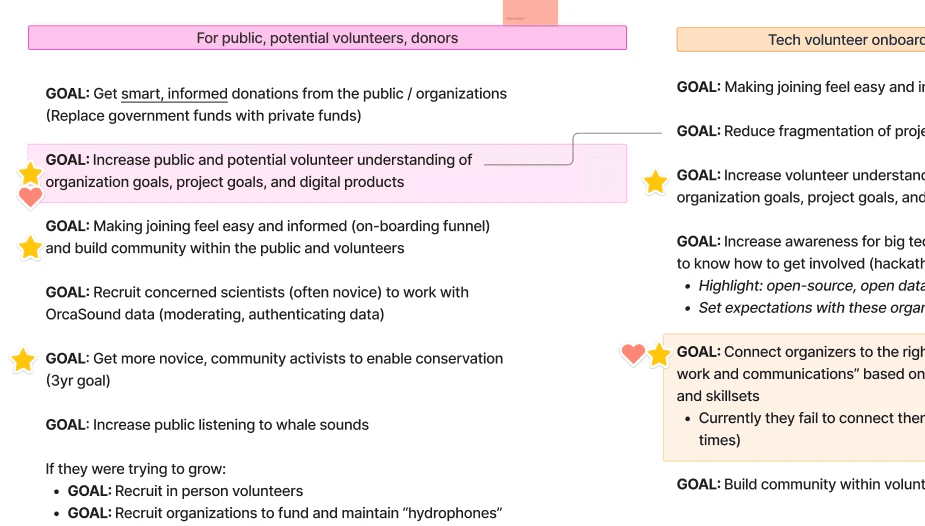
To understand Orcasound's short and long term goals, our team sat down with one of the founders to discuss their vision for the platform and where they felt it was falling short. These conversations helped us understand not just what Orcasound wanted to achieve, but the gap between that vision and what the current site was communicating.
Top Goals:
Increase public and volunteer understanding of Orcasound's projects and digital tools
Connect volunteers to the right work based on their interests and skillsets
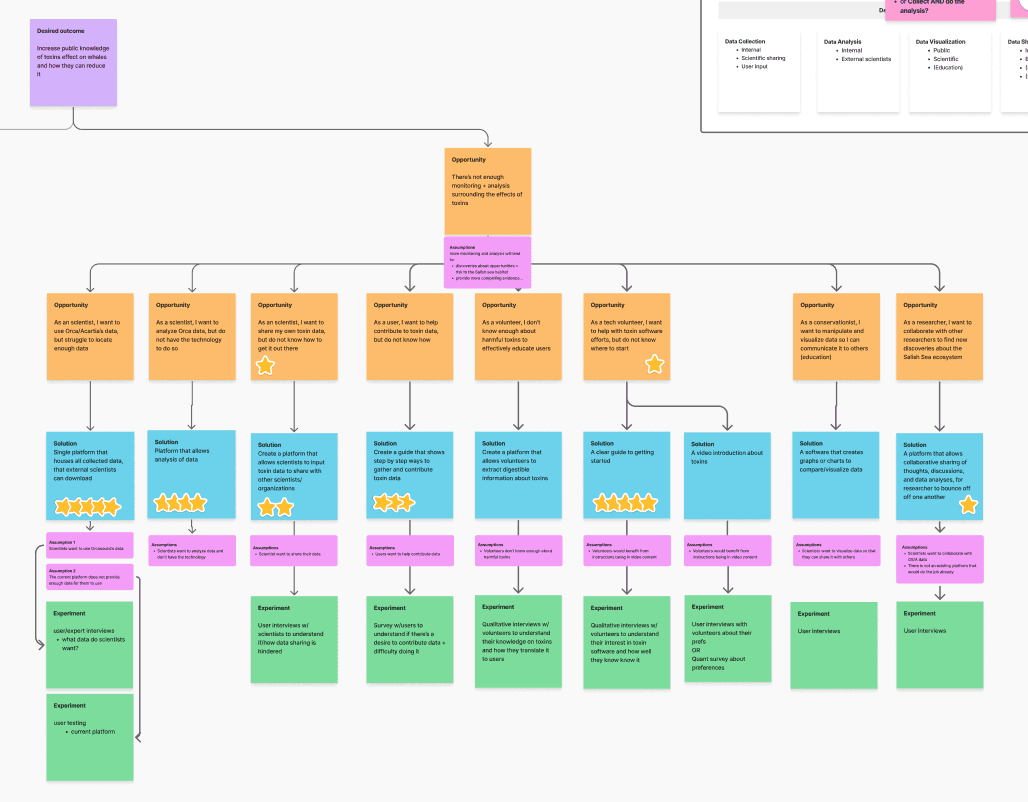
Opportunity tree map
From there, we used an opportunity tree map to align on priorities and ensure our research was anchored to desired outcomes rather than jumping straight to solutions. This informed our next steps on who to talk to and what to ask.
Research
Talking to volunteers and donors about their experience
Method
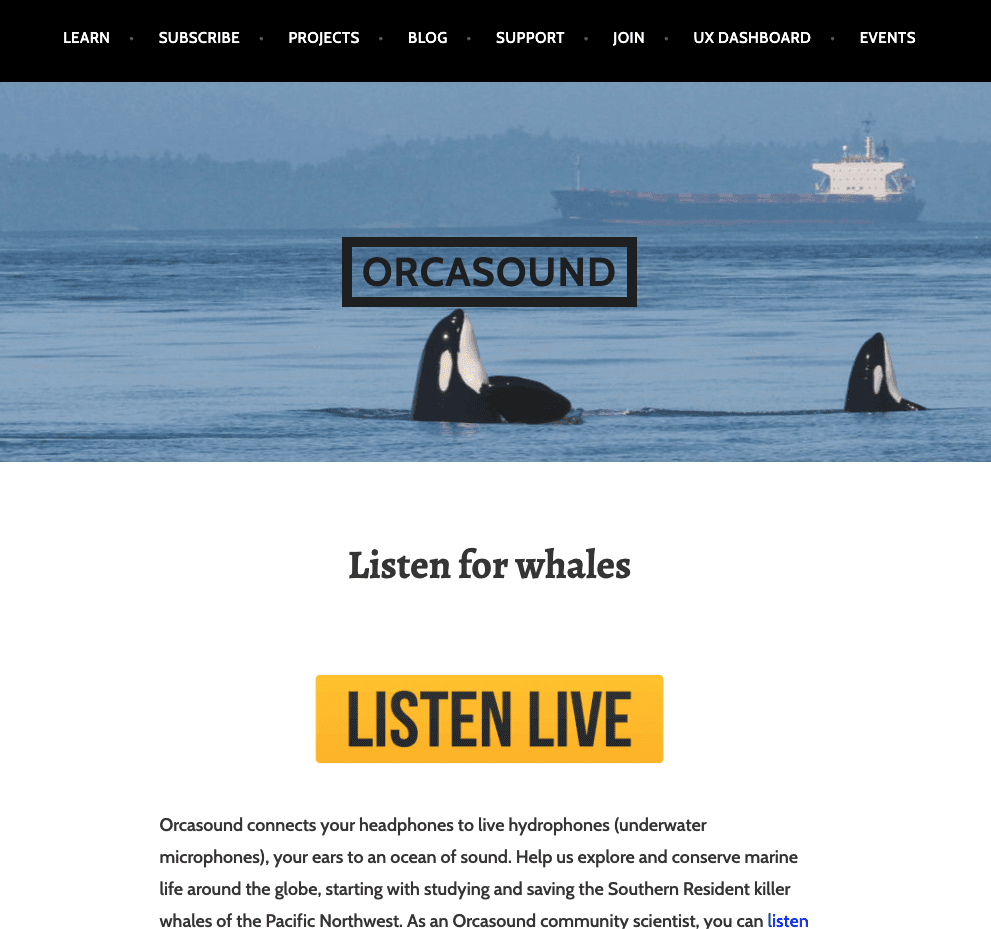
We conducted six remote interviews with participants unfamiliar with Orcasound who had experience volunteering or donating to nonprofits. We also intentionally recruited participants with software development backgrounds to better understand how to reach and onboard that specific audience.
Research Focus:
How does the homesite currently present Orcasound and its mission?
How can the homesite more effectively guide visitors toward contributing as volunteers or supporters?
Each session was split into two parts:
Pre-website: Exploring participants' background, volunteer experience, and what motivates them to contribute to a cause
Post-website: Usability testing on the current Orcasound site, where participants completed tasks and thought aloud as they navigated
Research
Understanding the barriers to code and effective CS teaching methods
Key Findings
Insight 1: Users understand the cause but not the organization
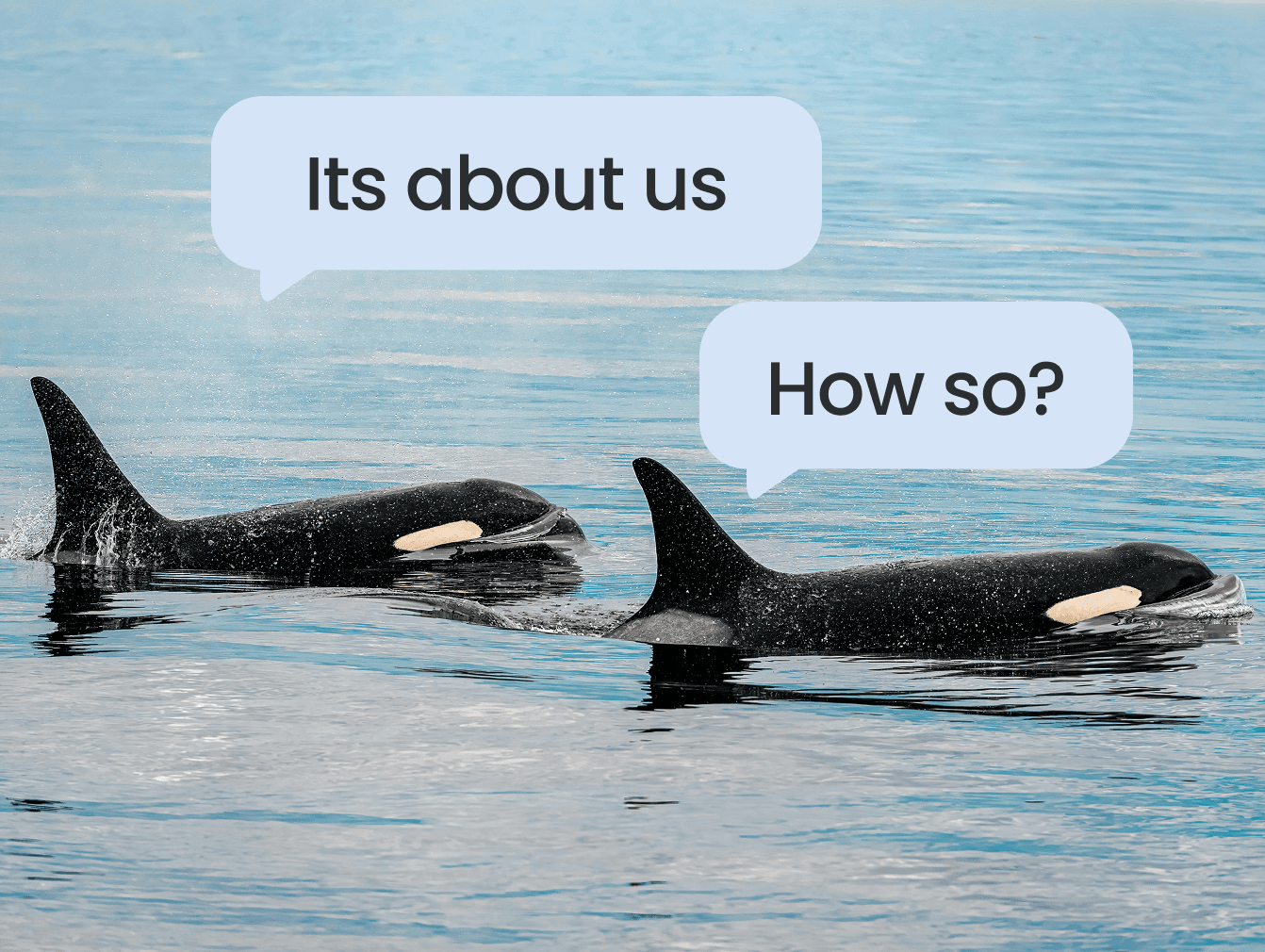
After exploring the site, participants were asked to describe Orcasound's mission in their own words. Most responses mirrored these participants:
“I believe it is an organization that studies whales... but don’t understand the goal of the research in listening to the sounds that orcas make.” (Participant 2)
"It’s an organization to communicate with people with a sound project to bring people more awareness, about...something about orcas" (Participant 3)
Participants could tell Orcasound cared about orcas, but couldn't connect that to what the organization actually does or how the hydrophone network contributes to that mission.
Why is this happening?
Knowledge gaps
Participants without background in bioacoustics felt they would "have to study to understand" Orcasound's approach (Participant 3)
Participants without background in bioacoustics felt they would "have to study to understand" Orcasound's approach. (Participant 3)
Unclear projects
Participants struggled to determine whether various initiatives fell under Orcasound's umbrella or were separate entities
Participants struggled to determine whether various initiatives fell under Orcasound's umbrella or were separate entities.
Information overload
When they did find information, the volume was overwhelming: "I feel like this is a lot of information on this page" (Donator, Participant 1)
When they did find information, the volume was overwhelming: "I feel like this is a lot of information on this page". (Donator, Participant 1)
Insight 2: Website does not clearly help users recognize how to contribute
As one of the tasks, we asked participants to show us what steps they would take to get involved on the website. Participants voiced opinions on this process such as:
“The Volunteer section doesn't have specific enough info on how to volunteer which would be an issue for them. There's no link to a form or whatever to sign up.” (Participant 4)
“I don’t really know how I would help. I could either give them money, or do something like a wildlife count — but it’s not very clear.” (Participant 5)
Participants spent minutes reading and clicking on links that sent them down multiple paths, all failing to lead them to a productive way to get involved.
Why is this happening?
Poor page structure
The blog-style layout and scattered links made it hard to find where to click.
Unreliable links
Broken links, missing links, and external redirects eroded confidence in the organization.
Unclear pathways
Participants struggled to find the next steps with no defined routes with specific skillsets or project interests.
Recommendations
Decide how Orcasound introduces themselves
There is clear user confusion around who Orcasound is, and that disconnect starts from within the organization. Aligning internally on how Orcasound introduces itself to its audiences will be key to building a stronger, more cohesive presence and attracting greater attention to the cause.
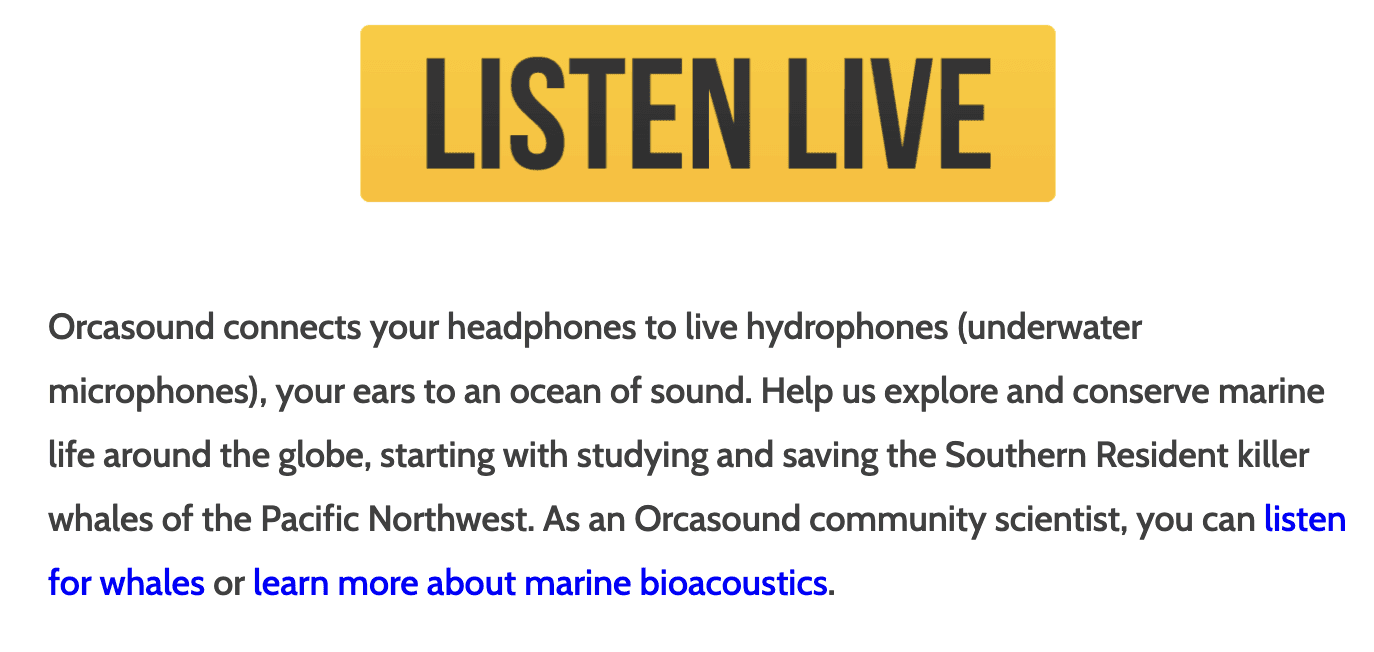
Current intro
The current description leads with a feature description and vague connections to marine conservation. This led users to be unclear on the big picture, especially with initiatives unrelated to the feature.
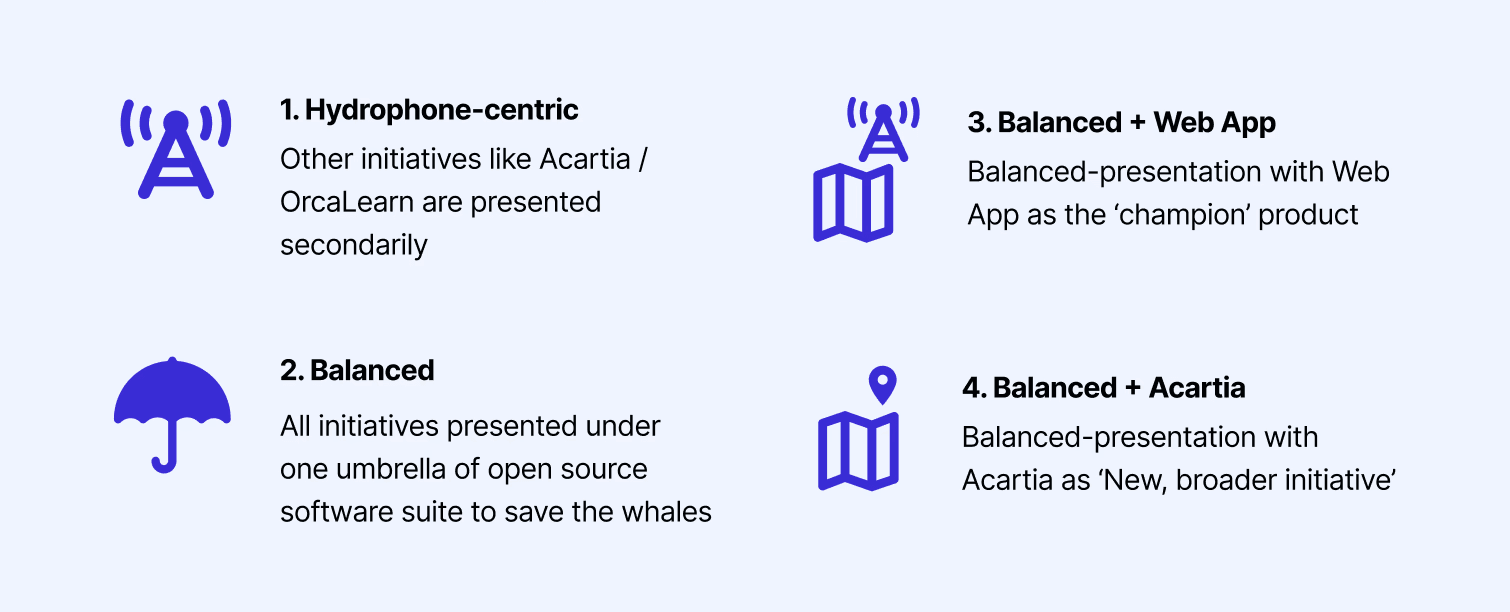
Suggested intro pathway
These options highlight the different ways Orcasound can introduce itself in an organized manner and create a more focused mission statement.
Current intro
The current description leads with a feature description and vague connections to marine conservation. This led users to be unclear on the big picture, especially with initiatives unrelated to the feature.
Suggested intro pathway
These options highlight the different ways Orcasound can introduce itself in an organized manner and create a more focused mission statement.
Distinct contribution pathways
Currently, Orcasound's contribution flow is scattered and unproductive, leading to potential volunteers or donors failing to participate. Additionally, Orcasound relies on a diverse set of people to keep it running. The website needs to reflect this diversity by providing multiple avenues to cater to people's needs and skill sets.
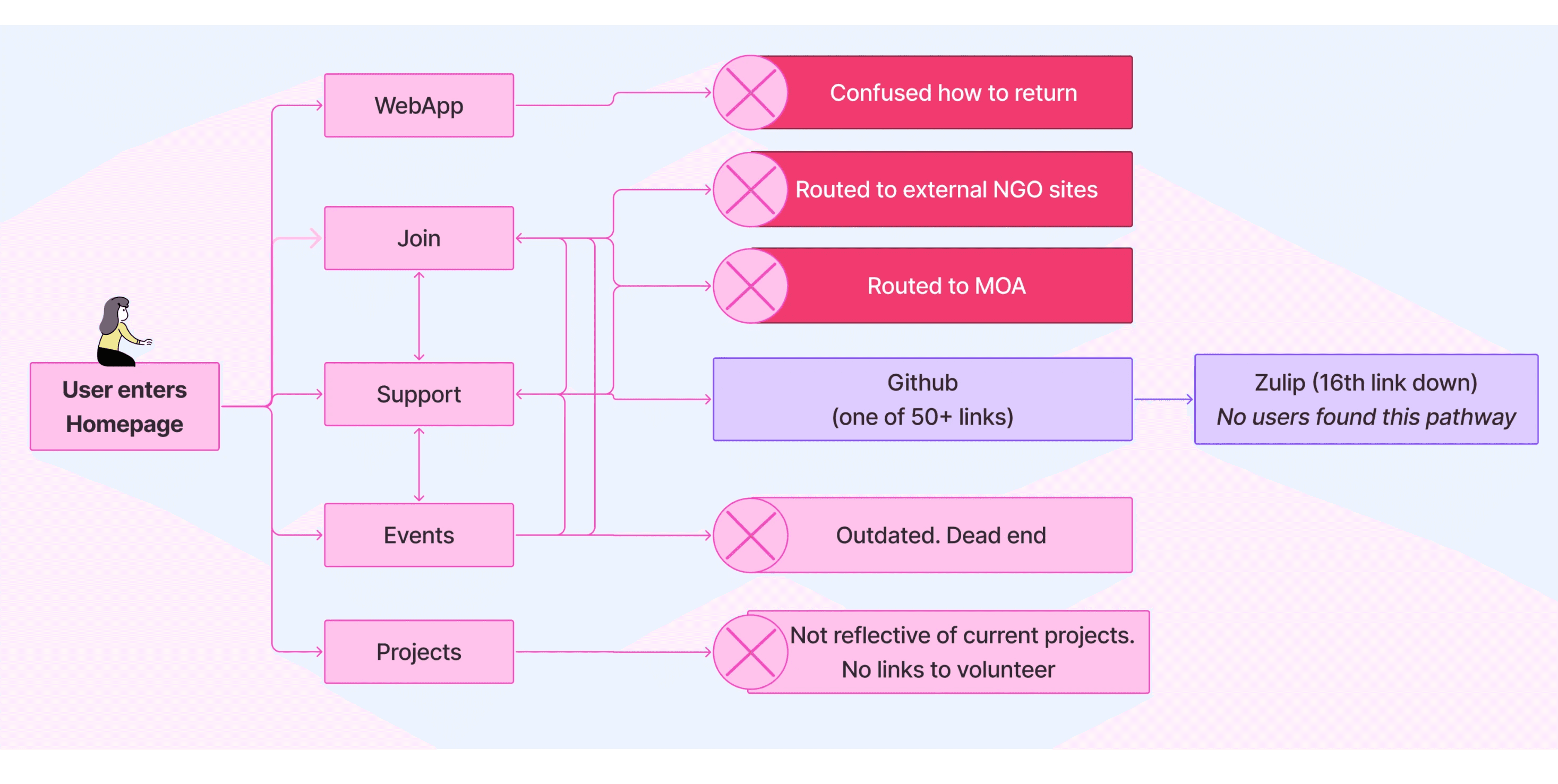
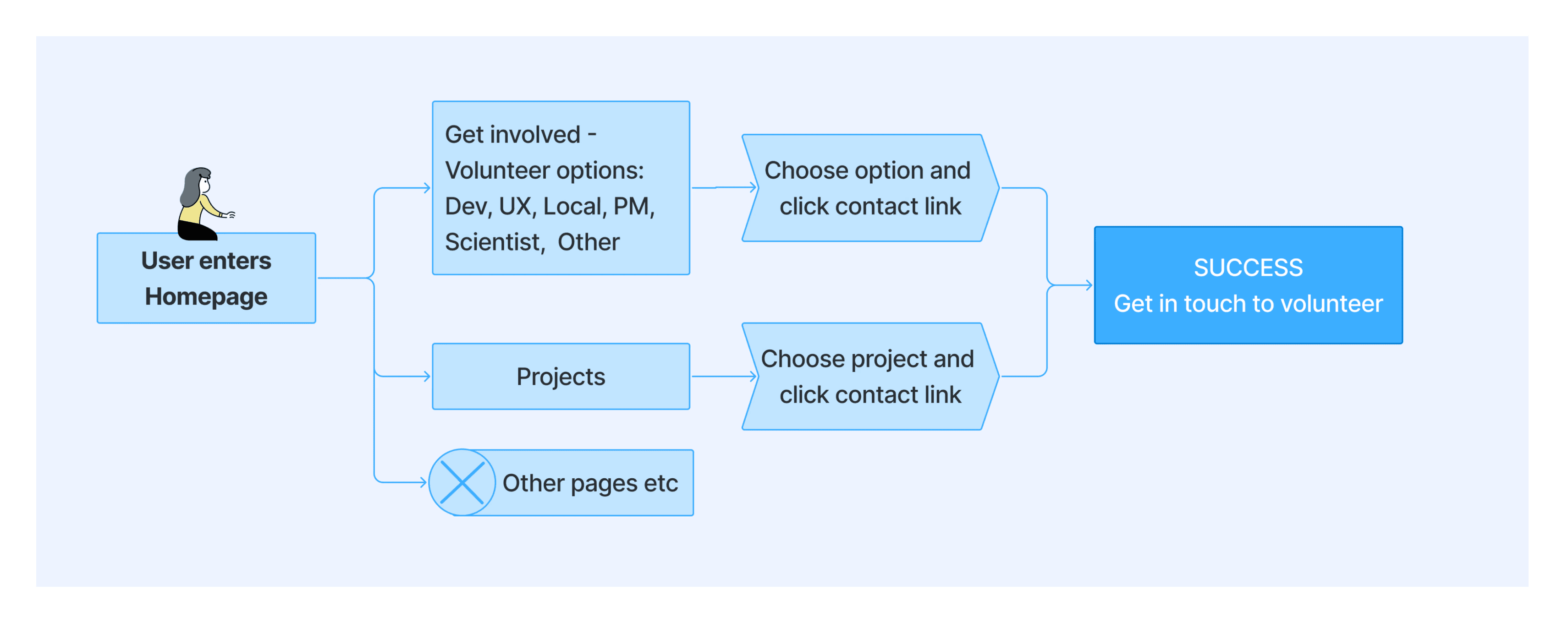
Current volunteer flow
Users are pulled in many different directions when trying to learn how to get involved. Once they find a path, it often leads to dead ends or more pathways to external sites.
Suggested volunteer flow
Instead of having multiple paths such as "Join" and "Support" they would be collapsed into one "Get Involved" page that contains volunteer options depending on your skillset or how you wanted to contribute.
Current volunteer flow
Users are pulled in many different directions when trying to learn how to get involved. Once they find a path, it often leads to dead ends or more pathways to external sites.
Suggested volunteer flow
Instead of having multiple paths such as "Join" and "Support" they would be collapsed into one "Get Involved" page that contains volunteer options depending on your skillset or how you wanted to contribute.
Next steps & Takeaways
Next steps for Orcasound
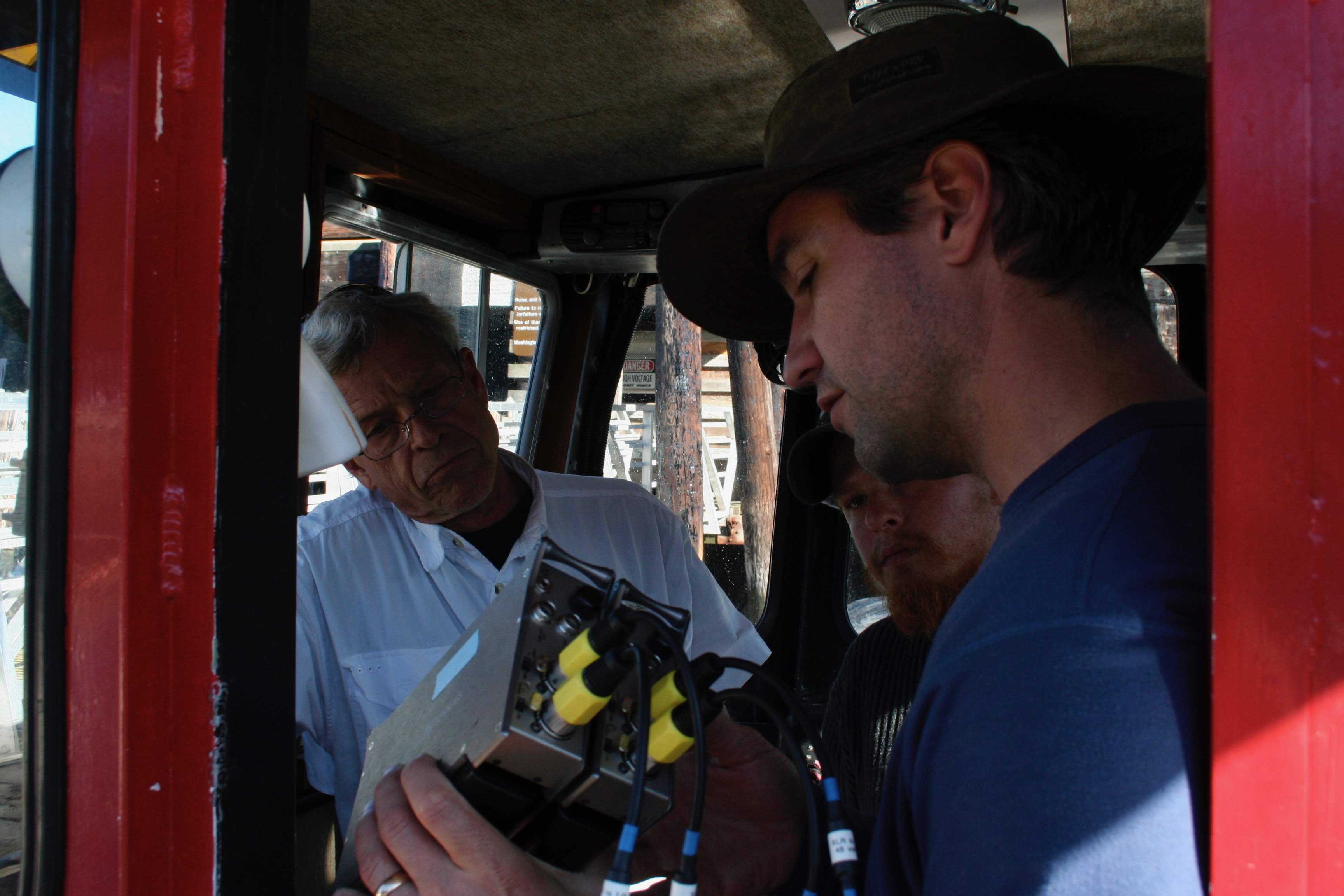
Orcasound volunteers inspecting a hydrophone
Next steps for this project will focus on four key priorities:
Stakeholder conversations to align on a cohesive mission statement, product organization, and volunteer pathway.
Collaborative brainstorming sessions with the design team to gather feedback, identify opportunities, and ensure all perspectives are considered before moving into execution.
Establishing a design system to create a unified set of components, styles, and guidelines that will inform all future design work.
Redesigning the screens, ensuring consistency and cohesion across the full experience.
Lessons I learned (so far)
Working with passionate marine conservationists made this an intrinsically rewarding and fulfilling project. Collaborating with a small, diverse team allowed me to draw on a wealth of knowledge and blend our perspectives to strengthen the product.
Two key lessons that stood out:
🐋 Embrace different backgrounds. At the core of Orcasound are marine biologists with deep expertise and a genuine love for the cause. Learning to translate their goals into a product that resonates with users meant leaning into how our varied backgrounds could complement each other.
🎯 Prioritize impact. Team members had varying levels of availability, so I learned to focus on evaluative methods, presentations, and exercises that made the most of our time together. Cutting what wasn't essential and doubling down on what would deliver the greatest value became a guiding principle throughout the project.