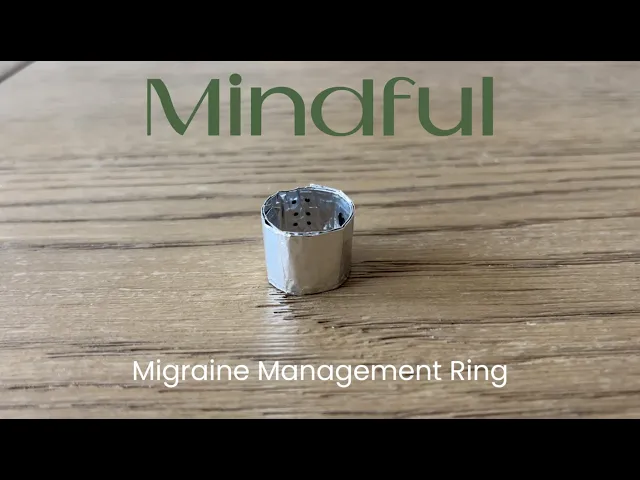
Mindful
2025
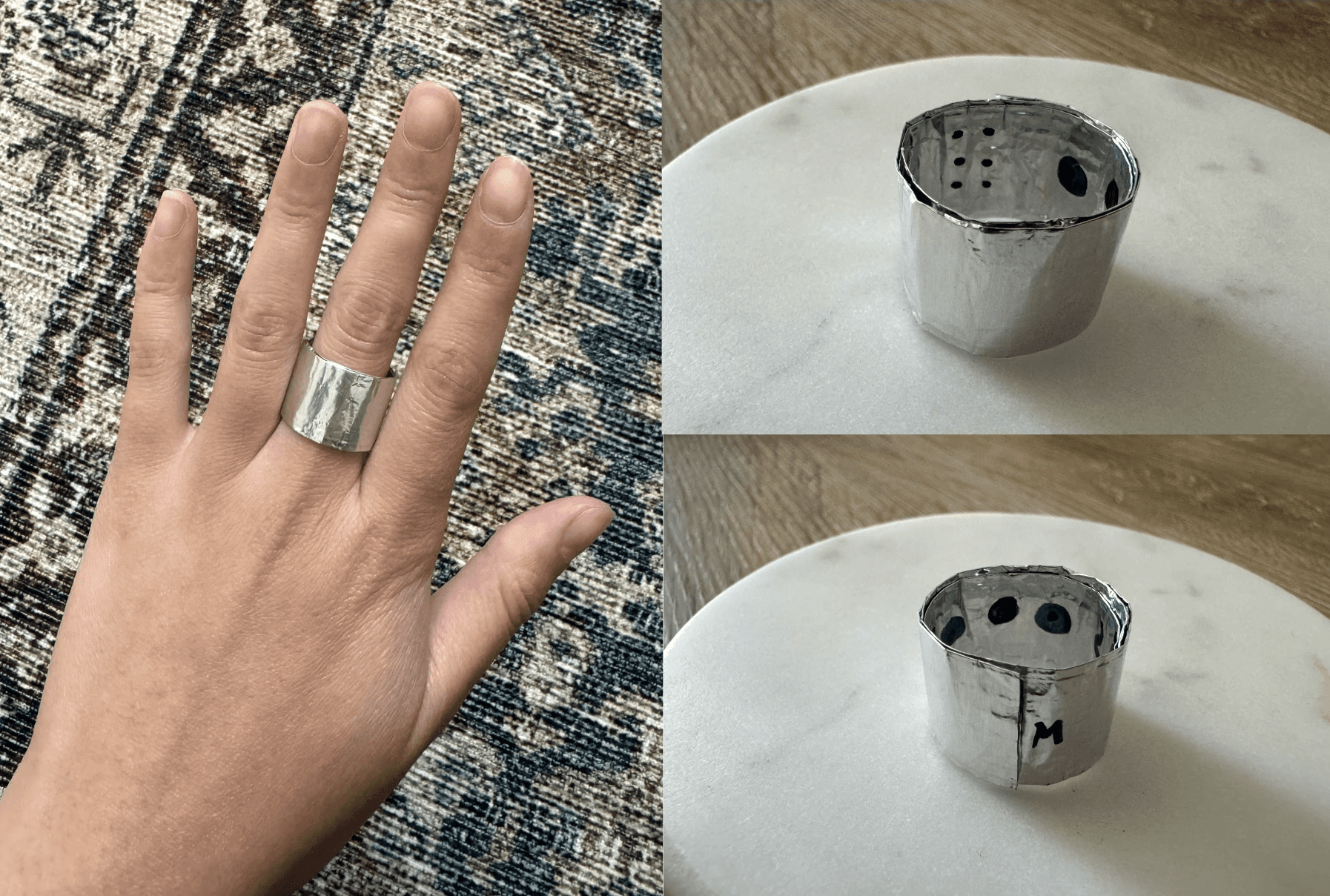
This is a conceptual project created during my HCI masters program. We were tasked with creating an AI wearable targeting an area of our choice. This project included creating a physical prototype as well as a digital prototype. This project was largely inspired by my own migraines and wishing I had a tool like this to help me day to day!
Role
Product Designer
Team
Solo project
Timeline
February – April 2025
Tool
Figma
Context
A migraine is a neurological disorder that can cause extreme symptoms such as vomiting, vision disturbances, and heightened sensitivity to light and sound. Triggers vary from person to person, with stress, sleep, fasting, and auditory stimuli being the most common. [6]
Early therapeutic intervention has been shown to significantly reduce the severity and frequency of symptoms. Yet most migraineurs remain only vaguely aware of what triggers their attacks, and few have ever examined them in detail. [4]
Cefaly: Targets the trigeminal nerve to treat acute migraine attacks quickly and prevent future episodes [7]
Nerivio: Remote electrical neuromodulation armband that relieves migraines by activating natural pain pathways [8]
Problem

Because migraines are so personal, any solution needs to understand how each person's body functions day to day. Research has shown that early intervention is key to migraine management, yet few accessible options exist on the market. This prompted me to ask:
How might we help adults with migraines understand their personal triggers and reduce attack frequency through an accessible AI wearable?
Solution
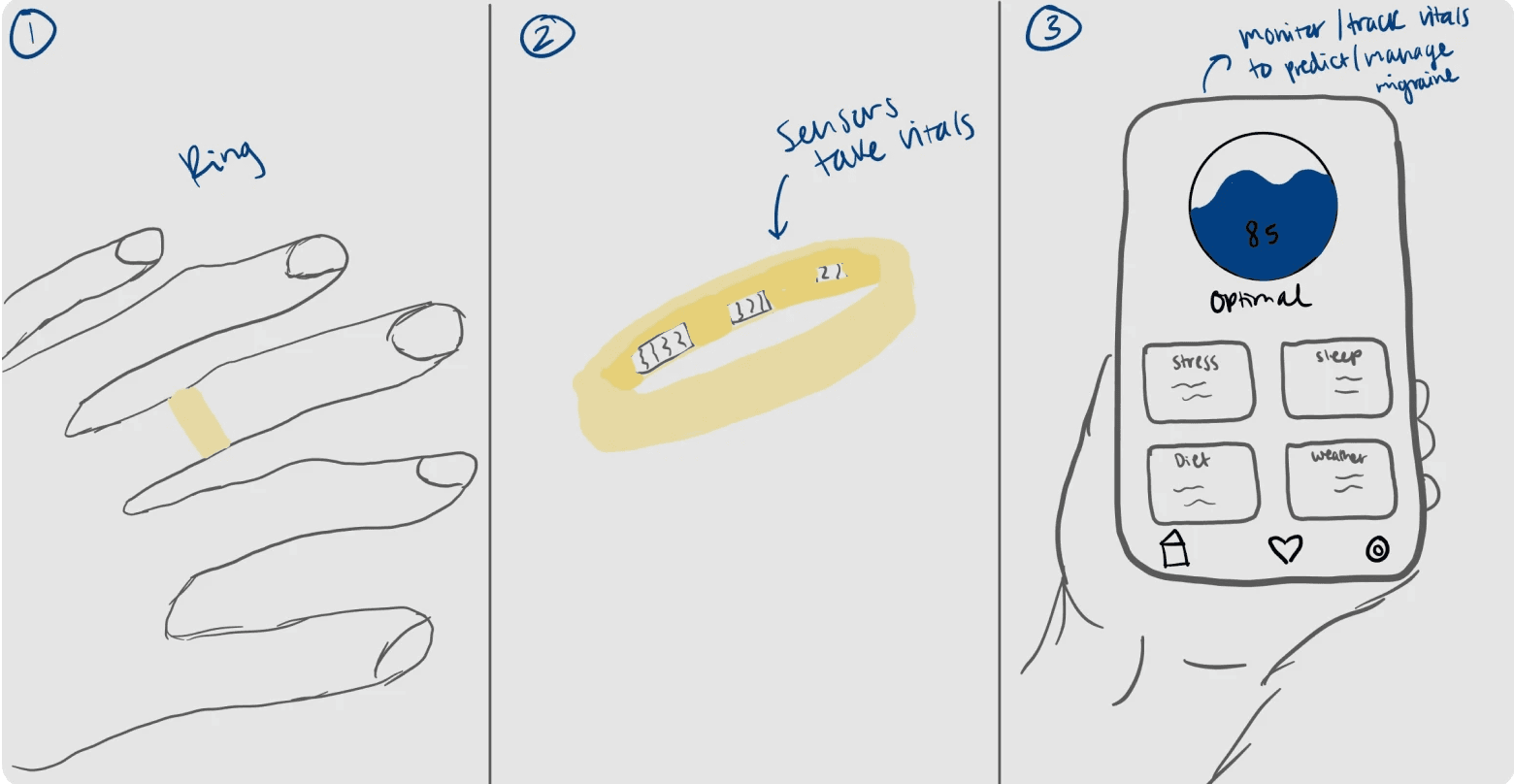
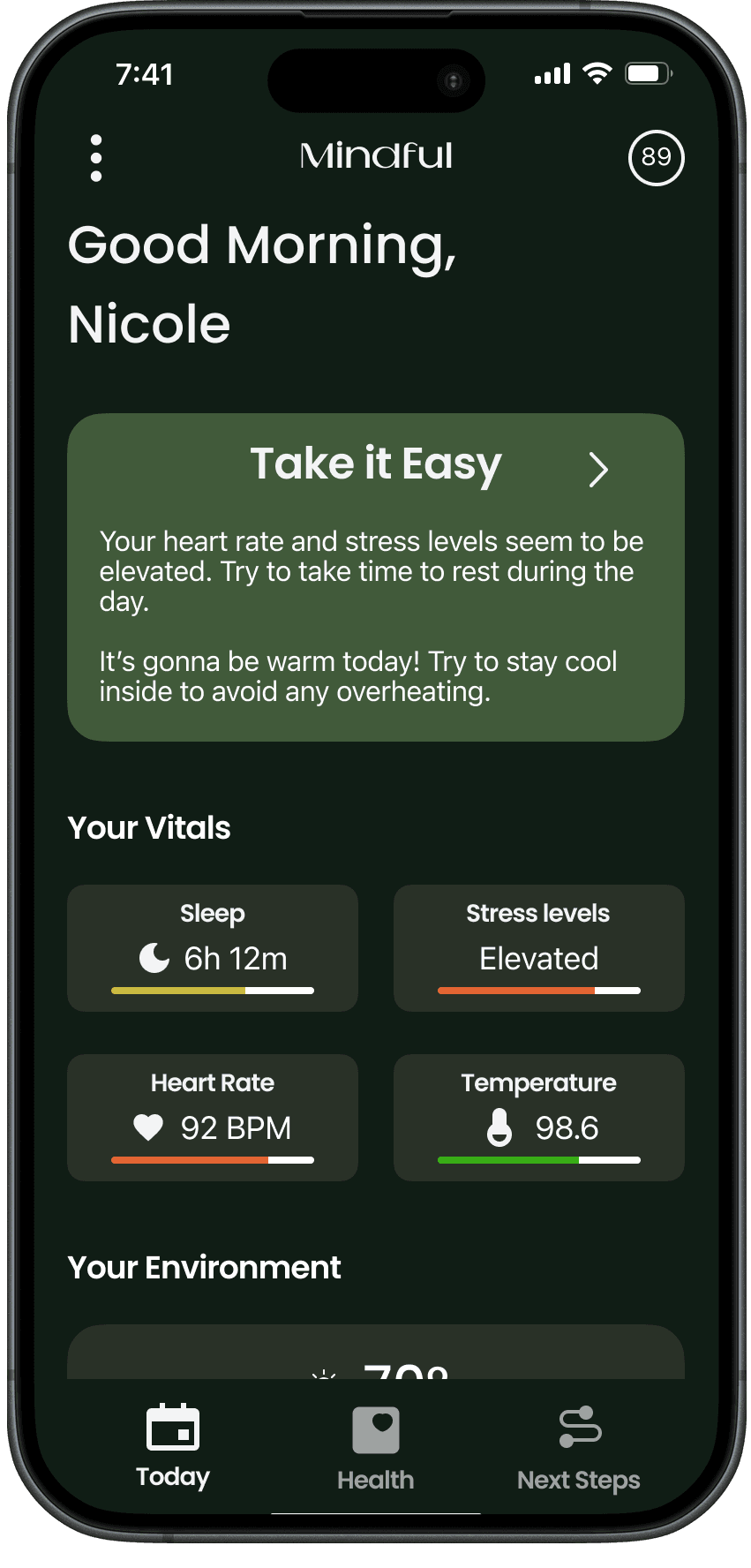
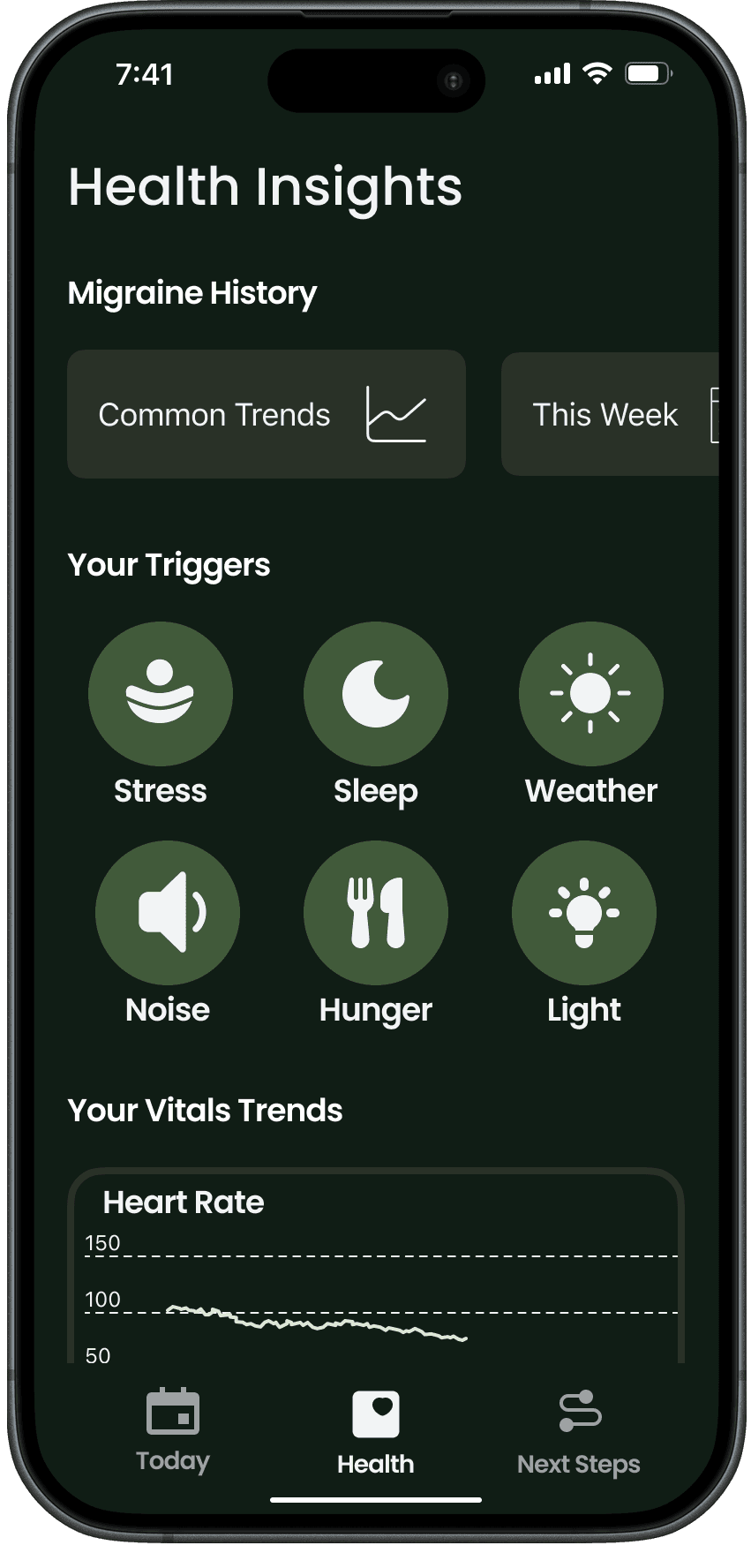
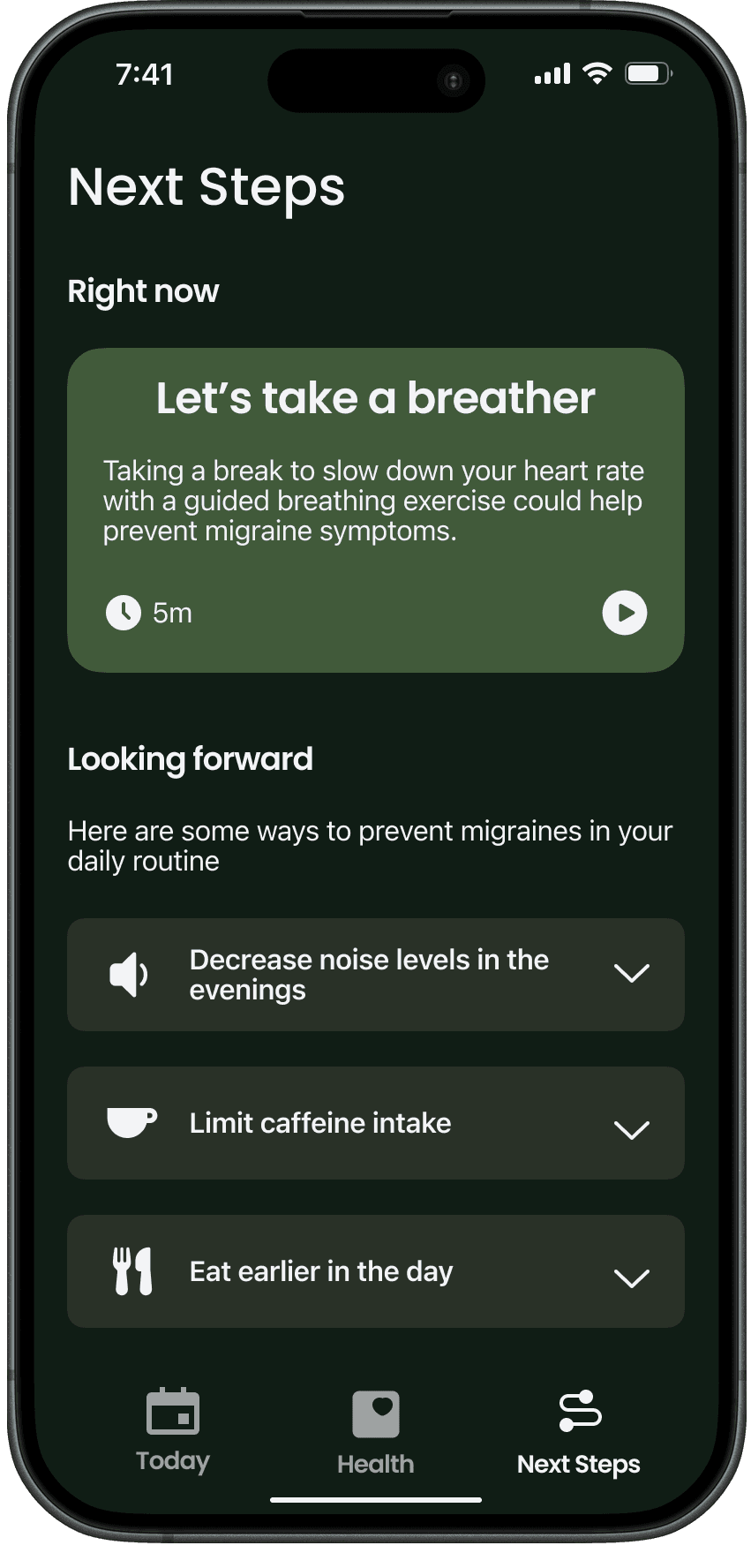
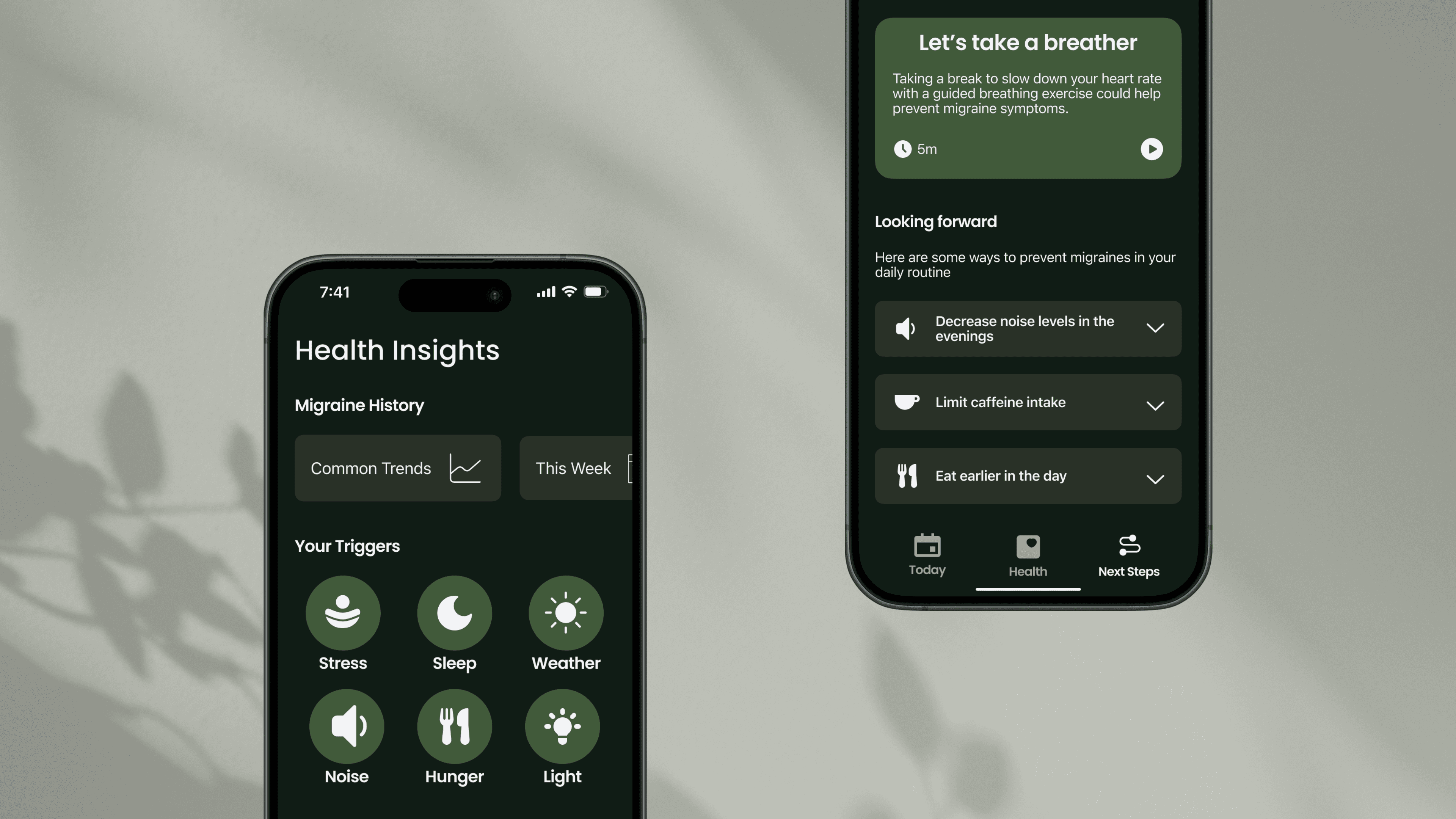
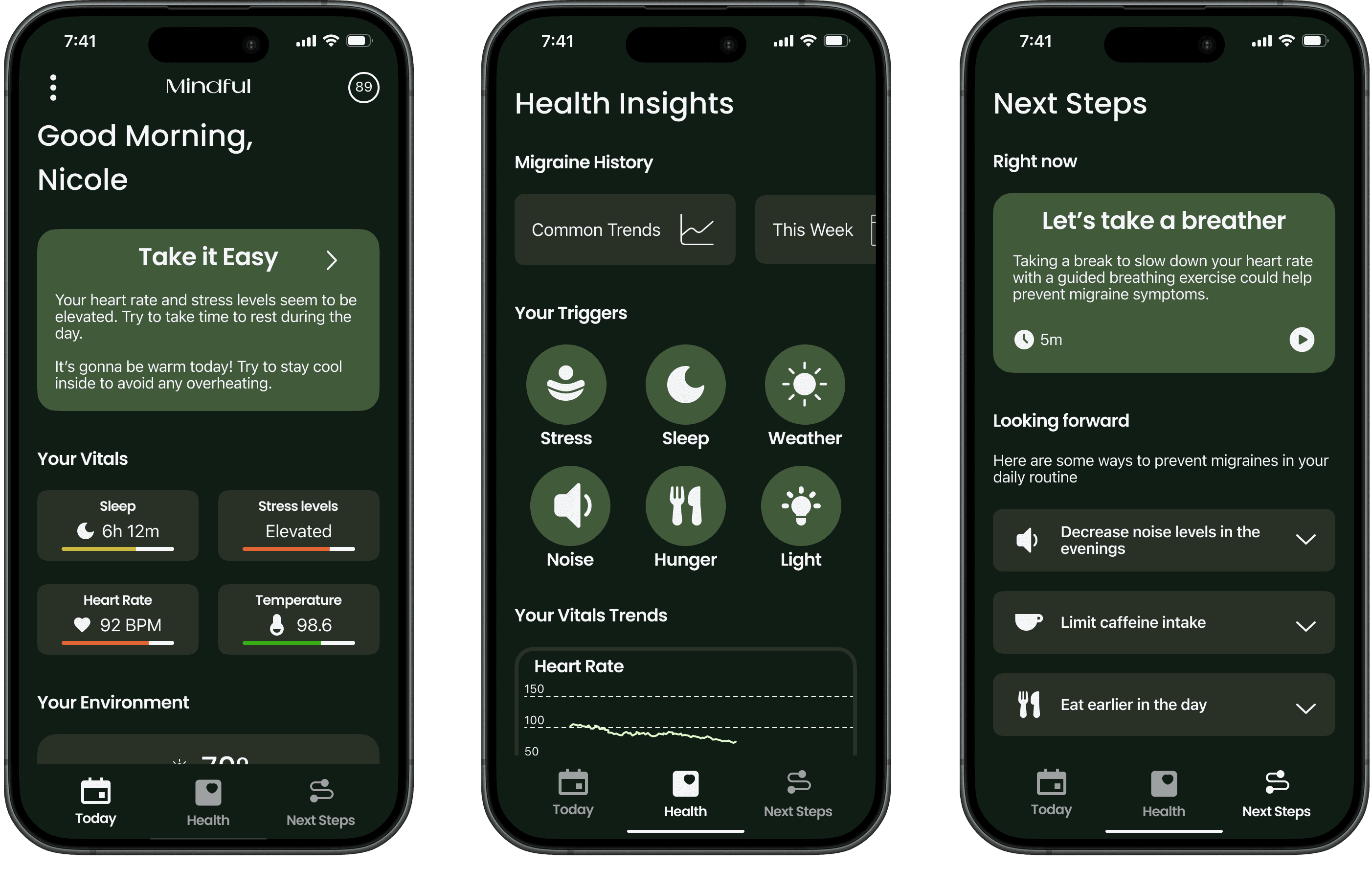
To address this, I designed an AI wearable ring and companion app that monitors your vitals, learns your personal triggers, and guides you toward lifestyle changes that reduce the frequency and severity of migraine episodes.
Sources
[1] Buse, D. C., Rupnow, M. F., & Lipton, R. B. (2009, May). Assessing and managing all aspects of migraine: migraine attacks, migraine-related functional impairment, common comorbidities, and quality of life. In Mayo Clinic Proceedings (Vol. 84, No. 5, pp. 422-435). Elsevier [2] Cerda, I. H., Zhang, E., Dominguez, M., Ahmed, M., Lang, M., Ashina, S., ... & Fonseca, A. C. (2024). Artificial Intelligence and Virtual Reality in Headache Disorder Diagnosis, Classification, and Management. Current Pain and Headache Reports, 1-12. [3] Peters, G. L. (2019). Migraine overview and summary of current and emerging treatment options. Am J Manag Care, 25(2 Suppl), S23-S34. [4] Peroutka, S. J. (2014). What turns on a migraine? A systematic review of migraine precipitating factors. Current pain and headache reports, 18(10), 454. [5] Ruiz de Velasco, I., Gonzalez, N., Etxeberria, Y., & Garcia-Monco, J. C. (2003). Quality of life in migraine patients: a qualitative study. Cephalalgia, 23(9), 892-900. [6] Silberstein, S. D. (1995). Migraine symptoms: Results of a survey of self‐reported migraineurs. Headache: The Journal of Head and Face Pain, 35(7), 387-396. [7] Why try cefaly?. Non-Prescription FDA Cleared Drug Free Migraine Treatment. (n.d.). https://www.cefaly.com/?sscid=a1k8_1hd0la&utm_source=shareasale&gad_source=1 [8] Your complete migraine care - treat & prevent Migraine - Nerivio®. Nerivio. (2024, June 20). https://nerivio.com/